Food with evidence
Distinguish verified certification, Muslim-community restaurants and simple dietary accommodation instead of merging them into one label.
Muslim-friendly China
Practical guidance for Malaysian Muslim travellers covering food evidence, prayer time, hotel location and flexible route design.
Photo: Wietse JongsmaA better starting point
A platform tag or casual promise is not the same as halal certification. Decide what standard your group needs, look for evidence from a recognisable authority where certification matters, and use precise ingredient and kitchen questions elsewhere.
Good planning is geographical. A suitable restaurant across a large city is not useful between two timed attractions. Place a researched meal or reliable backup close to each day's actual route.
Distinguish verified certification, Muslim-community restaurants and simple dietary accommodation instead of merging them into one label.
Build realistic space into the day and save mosque names or quiet alternatives near the route before leaving the hotel.
Choose a practical neighbourhood, confirm breakfast details and keep dietary explanations in Chinese for staff conversations.
Make the plan concrete
Major cities provide more options but can involve long cross-city journeys. A compact Chengdu-Chongqing trip limits intercity transfers, while a classic Beijing-Xi'an-Shanghai route offers broad variety with a busier pace.
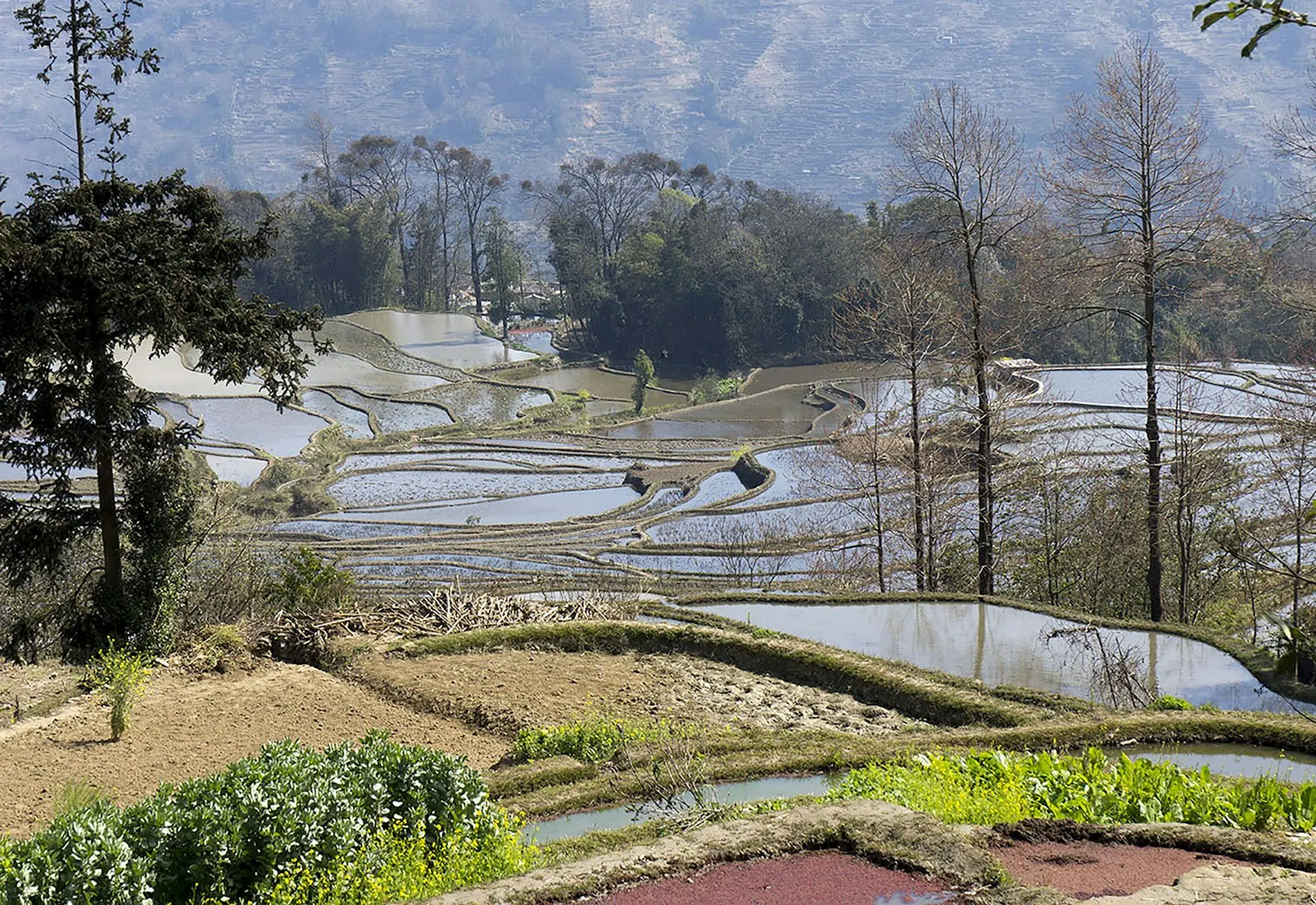
Yunnan can suit slower travellers, but smaller towns require earlier food research. Build backups such as simple packaged foods and clear ingredient cards without assuming that vegetarian automatically meets every requirement.
Our standard
China Ready uses 'Muslim-friendly' for planning needs. A business is described as certified only when a current, verifiable authority supports that claim.